
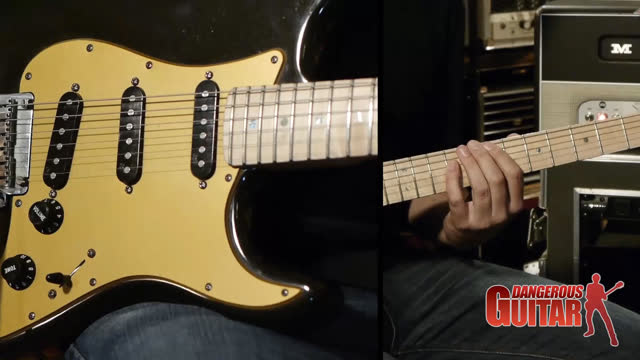
Galloping Slap Harmonics
Jude shows you a technique he calls "galloping harmonics" with your thumb and with a pick. And he shows you how to use a delay pedal to create a 16th note effect playing only eighth notes.
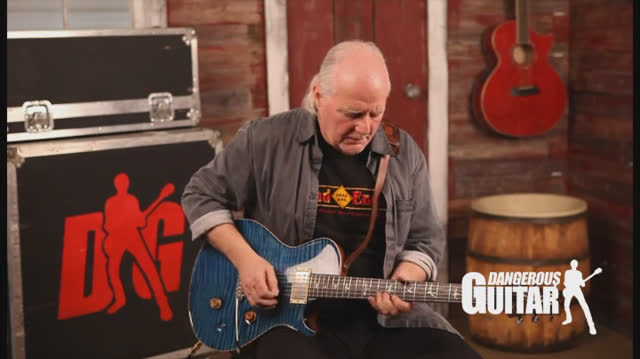
Blues Soloing - Less, Is More
Bugs shows you how to turn simple licks into soulful expressions in your playing. 13 great examples to learn in this lesson.
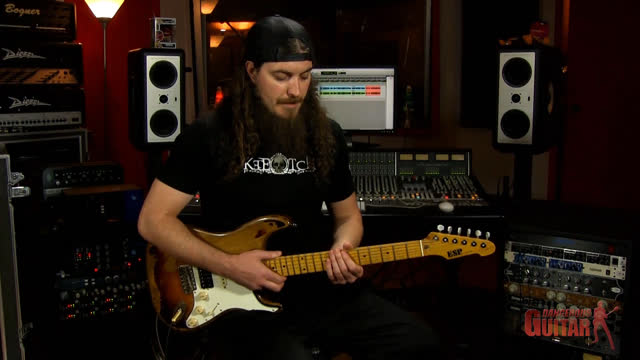
Quick Riff 2
Greg shows you how to play a chunky metal riff in the style of Metallica, with power chords an rhythmic galloping.
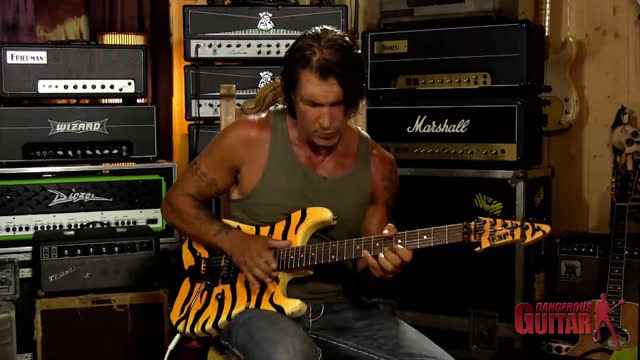
Blues Licks and Ideas
George talks about the element of the Blues and its importance in Rock guitar playing
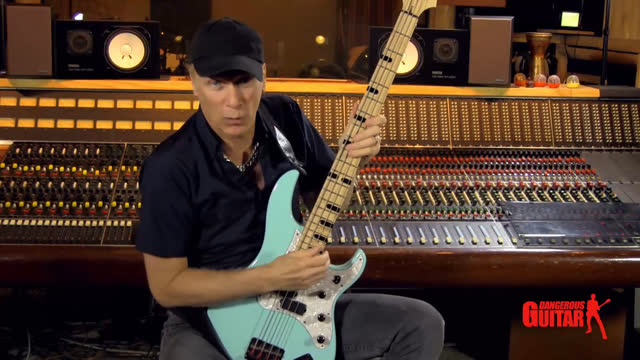
Bass Slapping with Pedal Tones
Bass Slapping with Pedal Tones
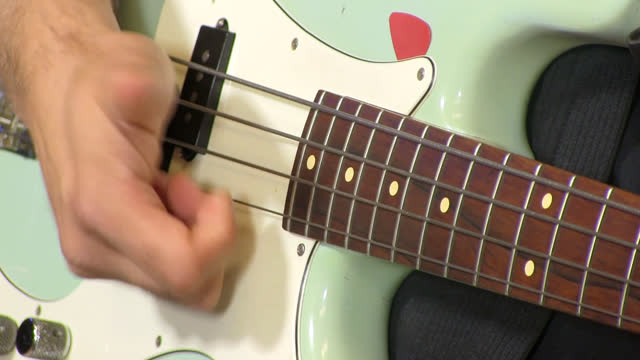
More Pop and Slap Techniques with Slides and Walk Down Chords
Kirk Powers - #3 - Bass Intermediate -More pop and slap techniques with slides and walk down chords. Kirk shows you more muting techniques along with slides, and walk down chords.
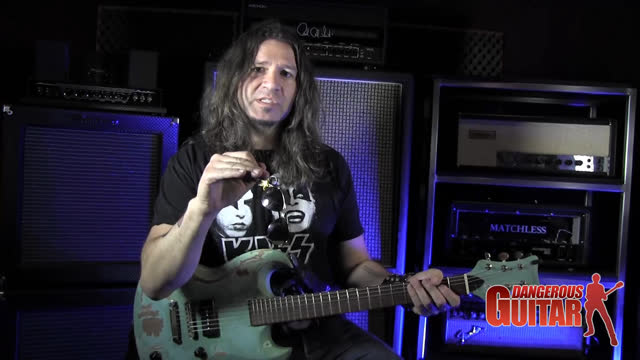
Droning with open string
Phil teaches you how to play riffs and solos, while simultaneously holding a low open string droning underneath. Also learn Phil's song No Woman of Mine.
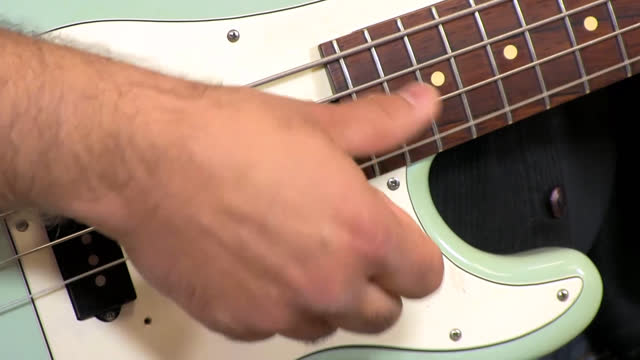
Learn Pop and Slap Techniques
Kirk Towers - #1 - Bass Intermediate - Learn pop and slap techniques. Kirk shows you the proper way to "pop and slap" used in funk and rock music. Plus, octaves and walk-ups.
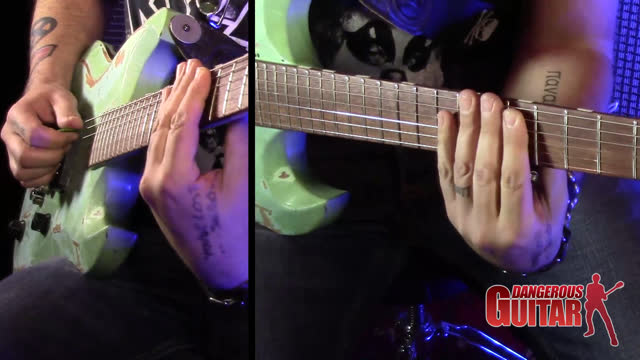
Making pentatonic scales more interesting
In this lesson you will learn how to add notes to your pentatonic scales, making them more musical. Also, Phil talks about playing in different positions on the neck.
Warm-Up Techniques
Gilby talks about the importance of warming up and shows you what he does to warm up for a big show... and it's not just practicing scales.
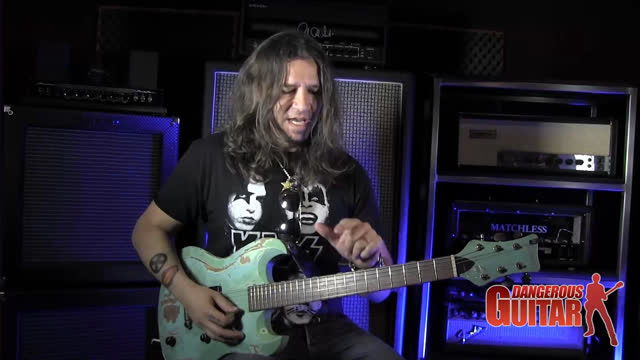
Learn how to play Eruption without tapping
Phil teaches you how to play Van Halen's classic tapping solo, Eruption, without having to tap. Learning how to play licks in different ways allows you to expand your picking and fingering technique.
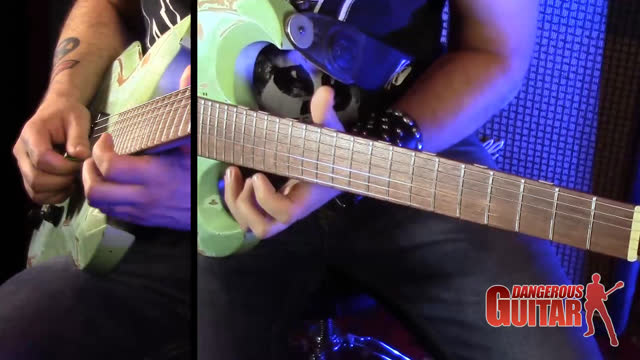
Taking pentatonic scales out of the box
Phil shows you cool pentatonic licks you can play up and down the neck, sliding and changing positions. By using this technique you can make simple licks sound a lot more interesting, and explore the fretboard.